Get Dead Tree Removal
Dead Tree Removal services help property owners safely remove hazardous, dead, or decaying trees and branches, often involving tree cutting, trimming, and cleanup projects.
Dead tree removal is an important step in maintaining the safety and appearance of residential and commercial properties. Whether a tree has become hazardous due to disease, storm damage, or age, addressing the issue promptly can prevent potential hazards and preserve the overall landscape. Property owners in the area often explore dead tree removal to reduce liability risks, improve curb appeal, or prepare for future landscaping projects. Continuing to read can help you understand how local contractors can assist with this work, offering practical solutions tailored to your property’s needs.
When considering dead tree removal, it’s helpful to compare different local service providers to find the right fit for your project. Many property owners seek experienced contractors who can evaluate the situation, recommend appropriate removal methods, and ensure the work is completed safely and efficiently. Exploring your options now can support a well-planned approach to maintaining a safe and attractive property, making it easier to find the right professional for your specific needs.
- Dead tree removal - needed when a tree has become dead or severely decayed and poses a safety risk.
- Storm-damaged tree removal - necessary after severe weather events have compromised the stability of a tree.
- Overgrown or hazardous trees - required when trees threaten structures, power lines, or impede visibility.
- Infected or pest-infested trees - to prevent the spread of disease or pests to nearby healthy trees.
- Unwanted or unsightly dead trees - for aesthetic purposes or to improve the appearance of a property.
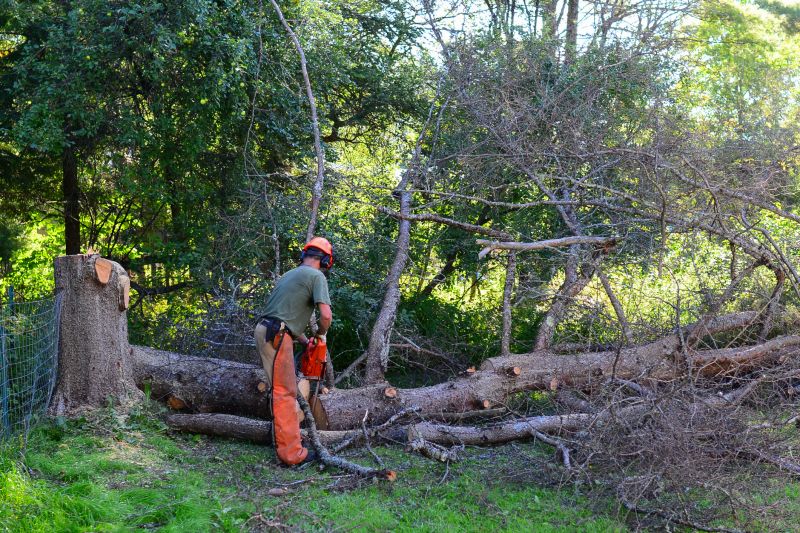
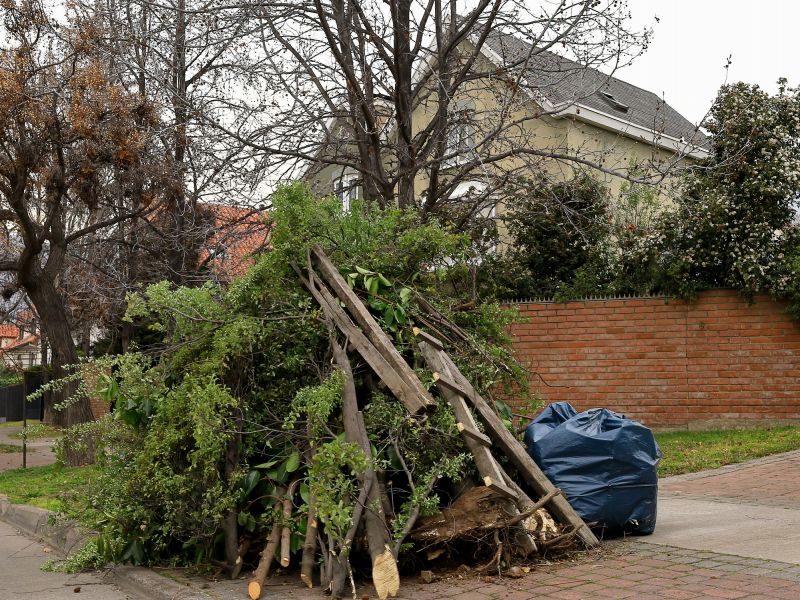
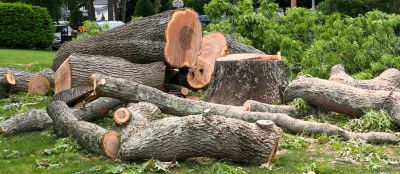
Dead tree removal services involve the safe and efficient removal of trees that have died, become severely damaged, or pose a risk to nearby structures and property. These services typically include assessing the condition of the tree, planning a safe removal process, and using specialized equipment to cut and dismantle the dead or hazardous tree. The goal is to eliminate the threat of falling branches or the entire tree, which could cause damage to homes, vehicles, or power lines. Professionals also handle the cleanup afterward, ensuring that all debris is properly removed and the area is left safe and tidy.
This service helps solve several common problems faced by property owners. Dead or decaying trees can become unstable and fall unexpectedly, creating safety hazards for residents and visitors. They can also attract pests or diseases that might spread to healthy trees and plants nearby. Additionally, dead trees can obstruct views, block sunlight, or interfere with existing landscaping plans. Removing these trees not only reduces the risk of accidents but can also improve the overall appearance and safety of the property.
Many types of properties benefit from dead tree removal, including residential homes, apartment complexes, and commercial properties. Homeowners often seek these services to prevent potential damage from falling limbs or to prepare their yard for landscaping or new construction. Property managers and business owners may also contract local contractors to clear dead trees from parking lots, walkways, or shared outdoor spaces. Regardless of the property type, timely removal of dead trees helps maintain a safe environment and preserves the integrity of the landscape.
Deciding when to remove a dead tree is an important consideration for property owners. Signs that a tree may need professional removal include visible decay, large cracks, leaning, or the presence of dead branches. If a tree has become a safety concern or is affecting the health of surrounding plants, contacting local service providers for an assessment is recommended. These contractors can evaluate the situation and recommend the best course of action to safely remove the tree and prevent any future issues.
The overview below groups typical Dead Tree Removal projects into broad ranges so you can see how smaller, mid-sized, and larger jobs often compare in your area.
In many markets, a large share of routine jobs stays in the lower and middle ranges, while only a smaller percentage of projects moves into the highest bands when the work is more complex or site conditions are harder than average.
Smaller Tree Removals - Typically, these jobs cost between $250 and $600 for many routine tree removal projects involving smaller trees. Many local contractors handle jobs in this range, which often include simple, straightforward removals. Larger or more complex jobs may fall outside this typical range.
Medium-Sized Tree Removal - For trees that are larger or located in more challenging spots, costs generally range from $600 to $1,500. These projects are common and often involve more equipment or careful planning, which can influence the price. Fewer jobs push into the higher end of this range or beyond.
Large or Hazardous Tree Removal - Larger trees or those with safety concerns can cost anywhere from $1,500 to $3,000 or more. Many local service providers handle projects in this range, but very complex or dangerous removals might exceed this estimate significantly.
Full Property or Stump Removal - Complete property clearances or stump grinding services tend to cost between $2,000 and $5,000+, depending on the scope. These larger projects are less common and often involve substantial equipment and labor, which can increase the overall cost.
Actual totals will depend on details like access to the work area, the scope of the project, and the materials selected, so use these as general starting points rather than exact figures.
Tree Trimming and Pruning - these services require similar skills and tools to safely remove branches and manage tree health, often overlapping with dead tree removal tasks.
Stump Grinding and Removal - involves the use of specialized equipment to eliminate tree stumps, complementing dead tree removal projects.
Land Clearing Services - include removing dead or hazardous trees to prepare properties for development or landscaping, utilizing planning and heavy equipment.
Emergency Tree Care - addressing storm-damaged or hazardous trees involves similar safety precautions and equipment as dead tree removal.
Hazard Tree Assessment - assessing the stability and risk of trees relates to identifying dead or dying trees needing removal, requiring similar planning skills.
Tree Removal for Construction - involves removing trees that interfere with building projects, often requiring similar techniques and equipment as dead tree removal.
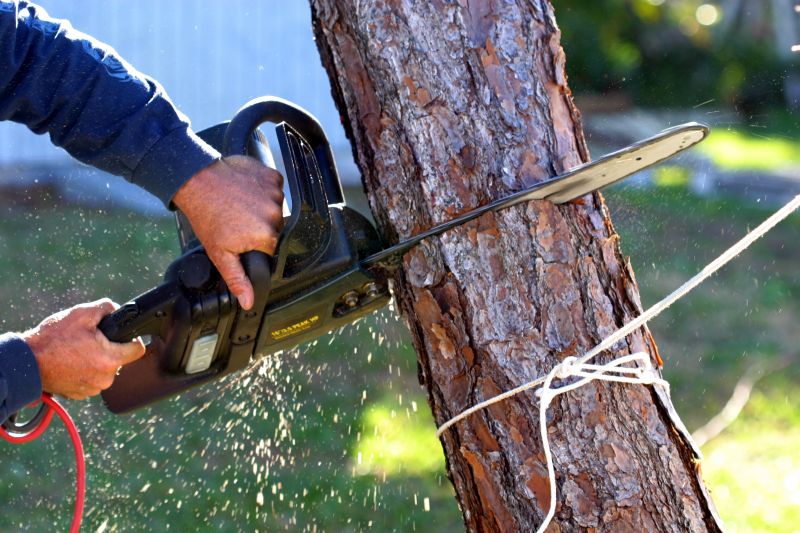
When evaluating local contractors for dead tree removal, it’s important to consider their experience with similar projects. Homeowners should look for service providers who have a track record of handling tree removals comparable in size, location, or difficulty. An experienced pro will be familiar with the best techniques and safety practices, helping to ensure the job is completed efficiently and with minimal disruption to the property. Gathering information about past projects can provide insight into their expertise and reliability, making it easier to find a professional who understands the nuances of dead tree removal.
Clear, written expectations are essential when comparing local service providers. Homeowners should seek out contractors who can provide detailed descriptions of the scope of work, including the steps involved, cleanup procedures, and any necessary preparations or precautions. Having this information in writing helps prevent misunderstandings and ensures that everyone is aligned on what the project entails. It also creates a record that can be referenced throughout the process, contributing to a smoother experience and a more predictable outcome.
Reputable references and good communication are key factors to consider when selecting local contractors. Homeowners can ask potential service providers for references from previous clients who had similar work done, offering a way to verify their professionalism and quality of service. Additionally, responsive and clear communication during the inquiry process indicates a contractor’s commitment to customer service and transparency. While the site introduces homeowners to local options, it’s important to remember that the actual work is performed by these independent service providers, making thorough vetting a crucial step in finding the right fit.
Property owners use Dead Tree Removal services for practical projects around their homes and businesses. This guide focuses on everyday jobs and straightforward project options.
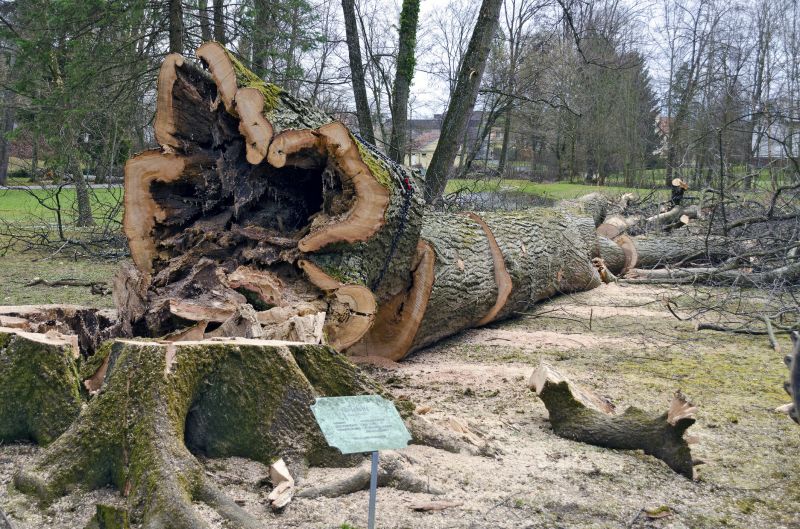
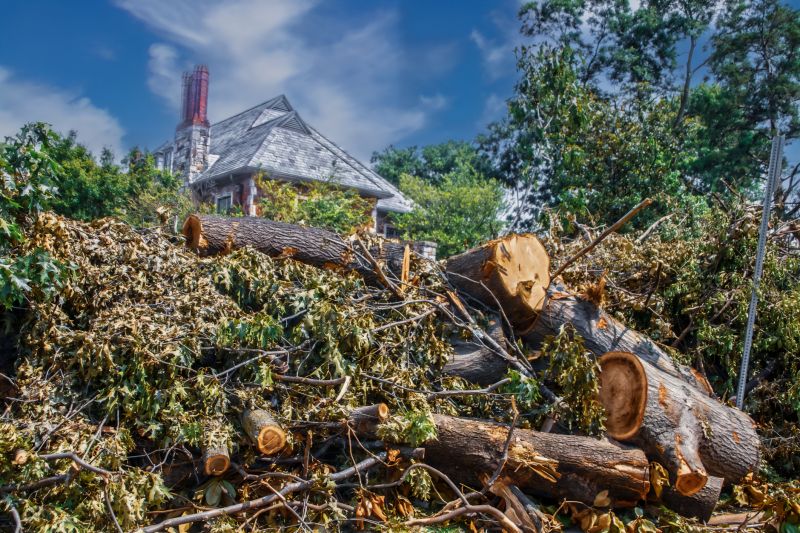
Dead tree removal is a common need for property owners dealing with trees that have become dead, decayed, or dangerously unstable. These situations often arise after storms, or when a tree shows signs of disease or pest infestation. Local contractors can assess the condition of affected trees and safely remove them to prevent potential hazards such as falling branches or toppling trunks, helping to keep yards safe and accessible.
Property owners may also seek dead tree removal to improve the overall appearance of their landscape or to prepare for new construction or planting projects. Overgrown or decayed trees can detract from curb appeal and may interfere with other landscaping efforts. Skilled service providers can handle these projects efficiently, ensuring that the work is done safely and in a way that supports the property's ongoing maintenance and aesthetic goals.
Why should I consider dead tree removal? Removing dead trees can help prevent potential hazards, such as falling branches or the tree itself causing damage to property or people.
How do I know if a tree is dead? Signs of a dead tree include lack of leaves during the growing season, brittle or decayed branches, and visible decay or fungi on the trunk.
What are the benefits of hiring local contractors for dead tree removal? Local contractors can provide expert assessment, proper removal techniques, and are familiar with regional safety regulations.
Is dead tree removal safe to perform myself? Dead tree removal can be dangerous and is generally recommended to be handled by experienced professionals to avoid injury or property damage.
How can I find qualified service providers for dead tree removal? The website can help connect you with local contractors who specialize in dead tree removal services in your area.
Improve Yard Safety - Removing dead trees can prevent potential hazards that may cause injury or property damage during storms or high winds.
Enhance Curb Appeal - Clearing away dead trees helps maintain a tidy appearance and boosts the overall look of a property.
Prepare for Landscaping Projects - Dead trees can be removed to make space for new planting, garden features, or outdoor renovations.
Protect Property Structures - Removing compromised trees can prevent damage to roofs, fences, and other structures caused by falling branches or trees.
If you are thinking about Dead Tree Removal for a property, this guide is meant to help you understand the work, the typical project types, and how different options might fit your plans.
When you are ready, you can use the quote form on this page to share a few details about your project. From there, local pros can review the basics and respond with options that match what you have in mind.