Dead Tree Removal in Pottstown, PA
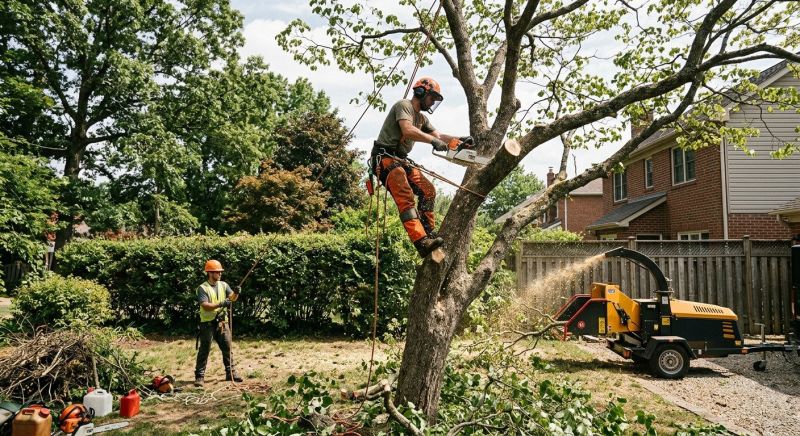
Dead tree removal services involve safely and efficiently removing trees that are dead, dying, or pose a risk to property and safety. This type of project typically includes removing trees that have become hazardous due to disease, storm damage, or age, as well as clearing trees that interfere with structures, power lines, or landscaping plans. Homeowners interested in this service should consider factors such as the size and location of the tree, potential impact on surrounding property, and whether the tree’s condition presents safety concerns or liability issues.
Before requesting dead tree removal, property owners usually want to understand the scope of work involved and any potential disruption to their landscape. It’s important to evaluate the accessibility of the tree, the presence of nearby structures or utilities, and the desired outcome-whether complete removal or partial trimming. Clarifying these details helps ensure the project addresses safety concerns, reduces risks, and aligns with property maintenance or improvement goals.
Many property owners in Pottstown, PA look into Dead Tree Removal for repairs, replacements, upgrades, and appearance-related improvements.
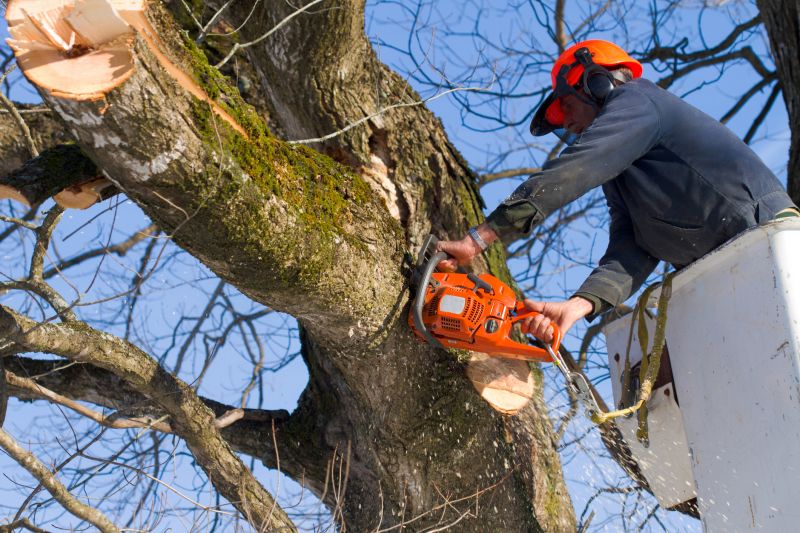
Reasons To Remove Dead Trees
Removing dead trees helps prevent potential hazards to property and safety.
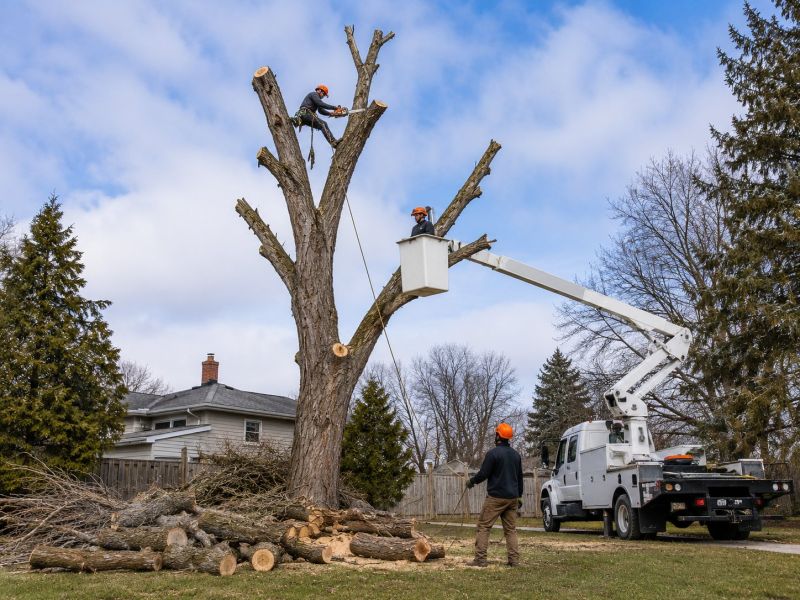
Signs Of Tree Decline
Indicators like dead branches or trunk damage can signal the need for dead tree removal.
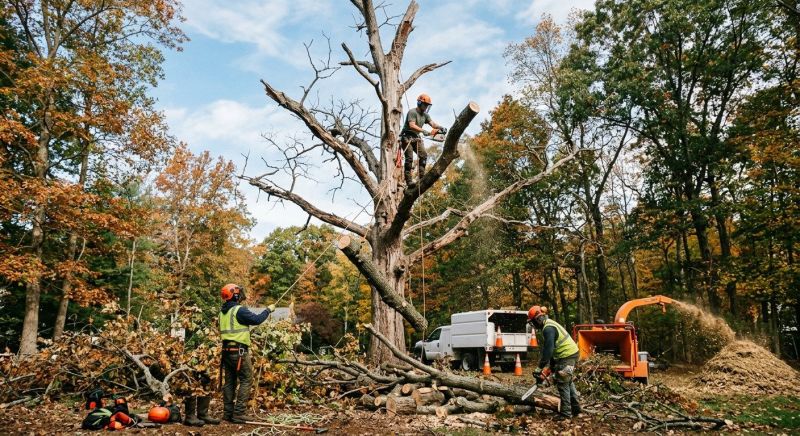
Post-Removal Property Care
Proper cleanup and stump grinding are essential steps after removing a dead tree from your yard.
Dead Tree Removal in Pottstown, PA
Dead tree removal services involve safely and efficiently removing trees that are dead, dying, or pose a risk to property and safety. This type of project typically includes removing trees that have become hazardous due to disease, storm damage, or age, as well as clearing trees that interfere with structures, power lines, or landscaping plans. Homeowners interested in this service should consider factors such as the size and location of the tree, potential impact on surrounding property, and whether the tree’s condition presents safety concerns or liability issues.
Before requesting dead tree removal, property owners usually want to understand the scope of work involved and any potential disruption to their landscape. It’s important to evaluate the accessibility of the tree, the presence of nearby structures or utilities, and the desired outcome-whether complete removal or partial trimming. Clarifying these details helps ensure the project addresses safety concerns, reduces risks, and aligns with property maintenance or improvement goals.
Many property owners in Pottstown, PA look into Dead Tree Removal for repairs, replacements, upgrades, and appearance-related improvements.
Common Dead Tree Removal Jobs
Dead tree removal involves safely cutting and removing trees that pose a risk to property or safety.
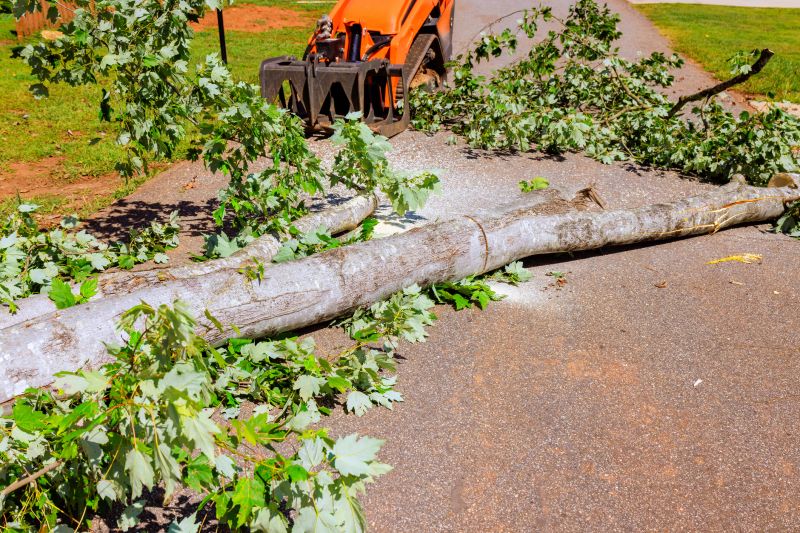
Storm-damaged trees are cleared quickly to prevent further damage or hazards.
Unhealthy or dying trees are removed to protect surrounding landscape and structures.
Hazardous tree removal addresses trees with weak branches or unstable roots that could fall.
Overgrown or invasive trees are removed to maintain landscape health and appearance.
Tree stump removal clears leftover stumps to improve yard safety and usability.
Dead Tree Removal Questions
Why remove dead trees from a property? Dead trees can pose safety hazards, obstruct views, and affect the health of surrounding plants.
What signs indicate a tree may be dead? Lack of leaves, brittle branches, and trunk decay are common indicators of a dead tree.
Is dead tree removal necessary near structures? Yes, removing dead trees close to buildings reduces the risk of falling and property damage.
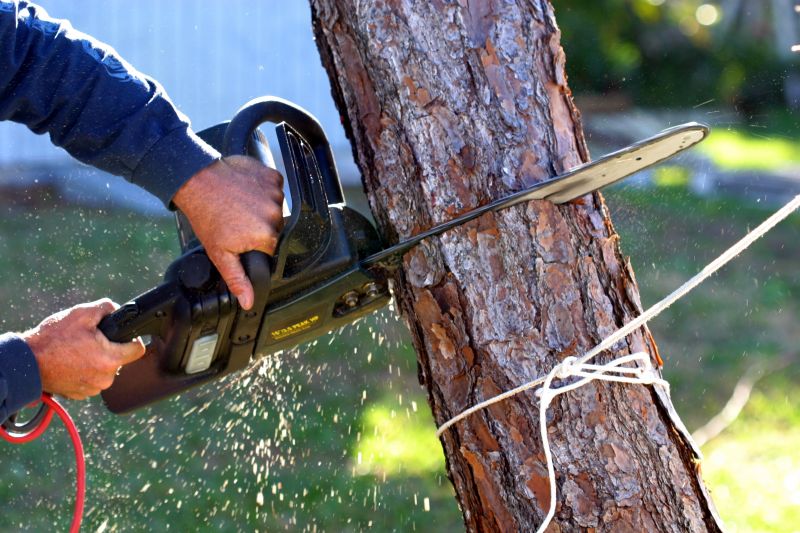
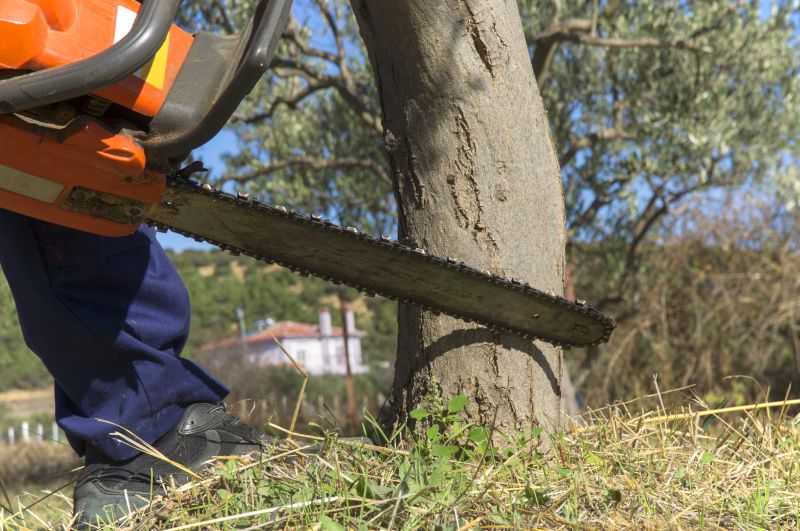
How is a dead tree removal performed? The process involves safely cutting down the tree and removing debris to restore safety and appearance.
Request Dead Tree Removal in Pottstown, PA
Use the quote form on this page to share the basics of your project and request more information for the type of work you need.